Can I Still Sue If I Was Partly at Fault in Nevada?
Short answer
Yes. Nevada uses modified comparative negligence, so you can still sue and recover money as long as your share of the fault is 50 percent or less. Your compensation gets reduced by your percentage, so being found 20 percent at fault cuts a recovery by 20 percent. At 51 percent or more fault, you recover nothing.
Can I sue in Nevada if the accident was partly my fault?
Yes. Nevada follows modified comparative negligence, which means you can sue and recover money after a crash you helped cause, as long as your share of the fault is 50 percent or less. Being partly to blame reduces what you collect. It does not erase your right to bring the claim.
The cutoff is strict. At 51 percent or more fault, you recover nothing in Nevada, no matter how severe your injuries are. That single number is why fault percentages get fought over so hard in Las Vegas car accident cases, and why insurance adjusters push so early to pin more of the blame on the injured person.
Below that line, the math is simple. Your damages get reduced by your percentage of fault. A person found 10 percent responsible recovers 90 percent of the proven damages. A person found 40 percent responsible recovers 60 percent. Every percentage point matters, which is why the evidence gathered in the first weeks after a crash carries so much weight.
Nevada's comparative negligence rule is codified at NRS 41.141. Nothing in it requires you to be a perfect driver. It asks the jury to compare what each person did and assign a share to each.
How does Nevada's 51 percent rule actually work in a car accident case?
A Nevada jury is handed a verdict form that asks two things: the total dollar value of the injured person's damages, and the percentage of fault belonging to each party. The court then does the arithmetic. If the jury assigns the injured driver 25 percent, the judgment is reduced by 25 percent before it is entered.
Fault can be split among more than two people. In a chain reaction crash on I-15 or a multi car pileup near the Spring Mountain interchange, a jury may assign percentages to three or four drivers. Nevada compares your fault against the combined fault of the defendants you sued, so being 40 percent responsible while two other drivers carry 30 percent each still leaves you under the bar.
Settlement talks run on the same math even though no jury is involved. An adjuster values the claim, applies an internal fault percentage, and offers the reduced figure. When a lawyer disputes that percentage with photographs, video, witness statements, or a reconstruction, the offer moves because the company's exposure at trial moves.
Comparative fault applies to all of your damages, not just some of them. Medical bills, lost income, future care, and pain and suffering all get cut by the same percentage. That is why a fault fight over ten or fifteen points is worth having in a case with serious injuries.
What to do if you think you were partly at fault
Do not tell the other driver, a witness, or an adjuster that the wreck was your fault. You do not have the full picture yet. Give police the facts you actually observed and nothing more, and leave the conclusions to the evidence.
Request the Las Vegas Metropolitan Police Department or Nevada Highway Patrol report and check the narrative, the diagram, and the listed witnesses. Reports contain mistakes about direction of travel, lane position, and who said what, and those errors follow a claim for months.
Surveillance from Las Vegas businesses, gas stations, apartment gates, and casino garages is often overwritten within days. Write down every camera you can see near the intersection and ask for the footage in writing right away, or have a lawyer send preservation letters.
Get evaluated even if you feel able to walk away. Gaps in treatment give an adjuster a second argument, that you were not really hurt, on top of the fault argument. Follow the treatment plan and keep every bill, referral, and work restriction note.
Tell the other driver's adjuster you are not giving a recorded statement yet. Report the crash to your own insurer as your policy requires. Then get the fault issues reviewed before you answer questions about speed, distance, or what you saw.
NRS 11.190 gives two years from the date of injury to file. Call Michael Hua Injury Law at (702) 487-9000 for a free consultation. There is no fee unless the case wins, and the earlier the call, the more evidence is still available.
Who decides how much of the crash was my fault?
A jury has the final say on fault percentages in Nevada. Until a case reaches that point, the number in play is whatever the insurance adjuster wrote in the file, and adjusters work for the company paying the claim. Their percentage is an opening position, not a ruling.
Police officers do not decide civil fault. An officer arriving at a crash on Sahara Avenue or Charleston Boulevard writes down what the drivers and witnesses say, notes vehicle positions, and sometimes issues a citation. That report is useful evidence, and it is often wrong in ways that matter, because the officer did not see the crash happen.
Physical evidence usually beats memory. Crush patterns on the vehicles, the resting positions, debris fields, traffic signal timing data, and video from nearby businesses tell a story that does not change under pressure. In a disputed fault case, that evidence is what shifts the percentage.
Your own words become evidence too. Statements at the scene, texts to friends, social media posts, and recorded interviews with an adjuster all get used. A quick apology at the roadside gets repeated later as an admission, even when the other driver ran the light.
The costliest mistake is deciding on your own that the crash was your fault and never calling a lawyer. Adjusters routinely assign injured people a fault percentage that the evidence does not support, then use that number to justify a small offer or a denial. Under Nevada law you can be partly to blame and still recover, and once the two year deadline in NRS 11.190 passes, the claim is gone.
How insurance companies use partial fault to pay you less
Assigning you a fault percentage is the cheapest tool an adjuster has. It requires no medical review and no independent expert. A phone call where you say you were going about the speed limit, or that you looked down for a second, can support a fault argument the company then applies to every dollar of the claim.
Watch for the early recorded statement request. Adjusters call within days, sound friendly, and ask open questions about speed, distance, and where your eyes were. Those answers are transcribed and quoted back months later. You are not required to give the other driver's insurer a recorded statement, and it is reasonable to decline until you have advice.
Watch for the fast offer with a fault deduction baked in. A check that arrives before you finish treatment usually reflects a fault percentage you never agreed to and injuries nobody has finished diagnosing. Signing the release ends the claim permanently, even if surgery turns out to be necessary later.
Watch for silence about your own coverage. Depending on your policy, medical payments coverage and uninsured or underinsured motorist coverage may apply regardless of the fault fight with the other driver. Nobody at the other company is going to point that out.
Las Vegas crashes where fault usually gets split
Left turn collisions generate the most fault disputes in Las Vegas. A driver turning left across Flamingo Road or Rainbow Boulevard has a duty to yield, and the oncoming driver has a duty to obey the light and the speed limit. When the oncoming car was speeding or entered on a stale yellow, juries commonly split the blame instead of putting it all on the turning driver.
Lane change and merge crashes on I-15, US 95, and the 215 Beltway rarely land at 100 zero. Both drivers were moving, both had mirrors, and both had a duty to maintain a lane safely. Vehicle damage location and any dashcam footage tend to decide these.
Rear end crashes are not automatic. The following driver usually carries most of the fault, but the lead driver's share goes up with a sudden unexplained stop, a non functioning brake light, or a reverse in traffic. Nevada compares the conduct, not just the impact order.
Pedestrian cases on and around the Strip often involve shared fault. A person crossing outside a marked crosswalk may still recover if the driver was speeding, distracted, or failed to keep a proper lookout, as long as the pedestrian's share stays at 50 percent or below. Blame in these cases is a question of evidence, including signal timing and video from nearby properties.
Does a traffic ticket or a police report end my claim?
A citation does not end a Nevada injury claim. Traffic court and a civil injury case are separate proceedings with different standards. Being cited for failure to yield is evidence, and it is not a finding that you were more than half at fault for the collision.
Police reports contain errors regularly. Lane positions get reversed, witness names get left off, and a driver's rushed roadside statement gets summarized in a way that reads worse than what was said. Reading the report closely and comparing it against photographs and video is one of the first things a lawyer does in a shared fault case.
The report may also help you more than you expect. Officers note weather, lighting, skid marks, roadway defects, and whether a driver admitted to looking at a phone. Those details support arguments that shift fault back toward the other side.
The correct move is to get the report, read every line, and treat it as one piece of the record rather than the verdict. Michael Hua handles the cases as the trial attorney, and the team works claims from the first call through settlement, which means the report gets checked early rather than after an offer arrives.
What to do to protect a shared fault claim in Nevada
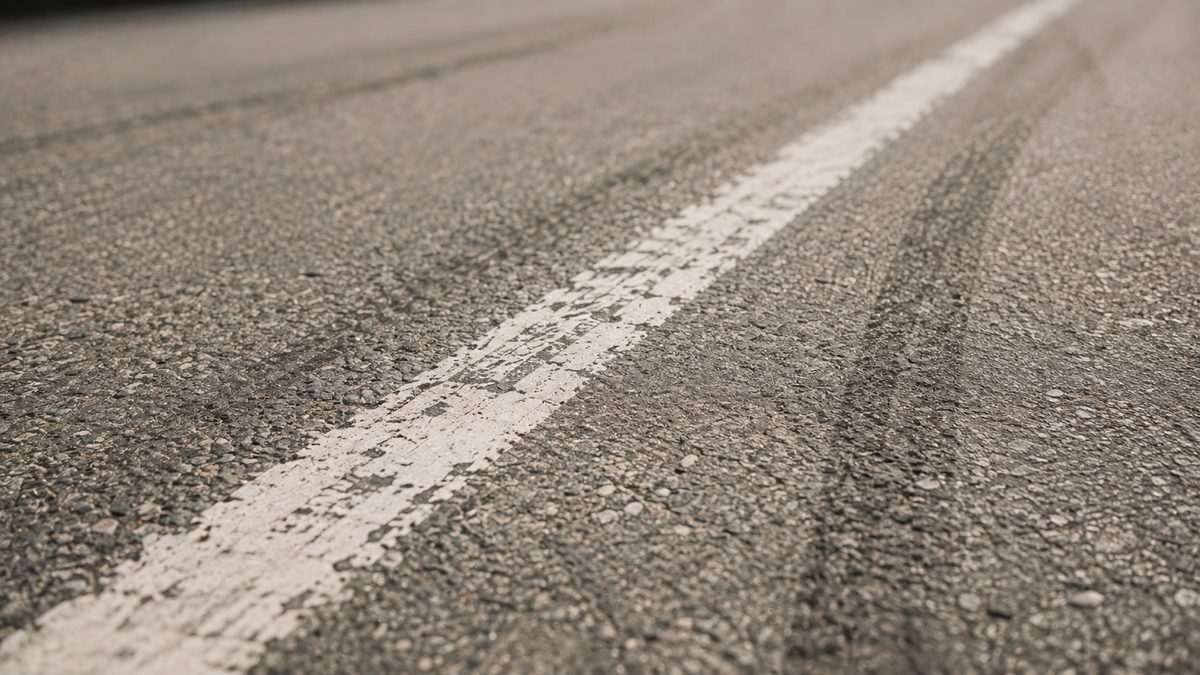
Move fast on evidence, because a shared fault case is won with proof and proof disappears. Surveillance video from a Las Vegas convenience store, apartment complex, or casino parking structure is frequently overwritten within days. Vehicles get repaired or sold to salvage. Skid marks fade within weeks.
Keep your medical treatment consistent. Every gap in care gives the insurance company a second line of attack, letting it argue both that you caused the crash and that you were not really hurt. Follow through on referrals, physical therapy, and imaging, and keep the paperwork.
Stay off social media about the crash and your recovery. A photograph at a birthday dinner or a post saying you are feeling better gets pulled into the file and used against you. Adjusters and defense lawyers look.
Watch the calendar. Nevada gives you two years from the date of injury to file a personal injury lawsuit under NRS 11.190, and two years for a wrongful death claim. Partial fault does not extend that deadline, and letting it pass ends the claim regardless of how strong the evidence is.
When to call a lawyer about a crash you may have caused
Call before you give a recorded statement and before you accept any offer. Those two moments do more damage to shared fault claims than anything else, and both happen in the first few weeks while you are still in pain and behind on bills.
Consultations at Michael Hua Injury Law are free, and there is no fee unless the case wins. Michael Hua is licensed in Nevada and is the trial attorney on the cases, and the team works claims from the first call through settlement. The office is at 4700 Spring Mountain Rd, Las Vegas, NV 89146, and the number is (702) 487-9000.
If your crash happened outside Nevada, say so on that first call. Fault rules differ by state, and cases from other states get referred to an attorney licensed there rather than handled here.
Nothing in this guide is advice about your particular case. Fault percentages turn on facts, and the only way to know how Nevada's 51 percent rule applies to your crash is to have someone review the report, the photographs, the video, and your medical records.
Questions people ask next
If I was 30 percent at fault in a Las Vegas crash, how much can I recover?
Under Nevada's modified comparative negligence rule, a person found 30 percent at fault recovers 70 percent of their proven damages. If a jury values the total harm at a given figure, the court subtracts the injured person's percentage from that figure. The reduction applies to every category of damages, including medical bills, lost wages, and pain and suffering. No lawyer can tell you what your specific case is worth or what percentage a jury would assign, because that depends on the evidence, the witnesses, and the injuries involved. This is general information about how the rule works, not a prediction about any individual claim.
Who decides what percentage of fault I have in Nevada?
A jury decides fault percentages if the case goes to trial in Nevada. Before that, the insurance adjuster assigns a percentage internally, and that number drives every settlement offer the company makes. An adjuster's opinion is not a legal finding and it is not binding on you. If the two sides cannot agree, the question goes to a jury, which is asked to assign a percentage to each party involved. A police officer's opinion in a crash report is evidence a jury may hear, but the officer does not decide the case and a citation does not settle the fault question.
Does getting a traffic ticket mean I lose my injury claim in Nevada?
No. A traffic citation issued at the scene of a Las Vegas crash does not automatically end an injury claim. Nevada's comparative negligence rule looks at the conduct of everyone involved, not just the person who got cited. A driver can be ticketed for a lane change and still recover if the other driver was speeding, distracted, or impaired and carried the larger share of the blame. What matters is the evidence: skid marks, vehicle damage patterns, dashcam and business surveillance video, phone records, and witness accounts.
How long do I have to file a car accident lawsuit in Nevada?
Nevada gives you two years from the date of injury to file a personal injury lawsuit under NRS 11.190, and two years for a wrongful death claim. Missing that deadline usually ends the claim no matter how strong the evidence is or how badly you were hurt. Partial fault does not extend the deadline. Evidence also disappears long before two years pass, since surveillance video from a Las Vegas business or casino garage is often recorded over within days or weeks, so waiting hurts a shared fault case more than any other kind.
Should I give the other driver's insurance company a recorded statement?
You are not required to give a recorded statement to the other driver's insurance company, and doing so before you understand the fault issues in your case can hurt you. Adjusters ask about speed, distance, where you were looking, and whether you are hurt. Casual answers like "I never saw him" or "I'm fine" get quoted back later to raise your fault percentage or shrink your injuries. You do have duties to cooperate with your own insurer under your policy. Talking to a Nevada attorney before any recorded statement costs nothing at Michael Hua Injury Law and keeps the fault question open.
What if my crash happened outside Nevada?
Fault rules change from state to state, and a case that happened elsewhere is governed by that state's law rather than Nevada's 51 percent bar. Michael Hua is licensed in Nevada and handles Nevada cases. If your crash happened in another state, the firm refers the matter to an attorney licensed there rather than handling it directly. Call (702) 487-9000 and describe where the crash happened, because the answer to that one question decides which state's comparative fault rule applies to you.
Talk to someone about your own case
General guidance only goes so far. Tell us what happened and we will look at your situation for free.
This guide is general information about how injury claims usually work, not legal advice about your case. Reading it does not create an attorney-client relationship. Deadlines and rules change and exceptions apply, so confirm anything you plan to rely on with an attorney. Michael Hua is licensed in Nevada; claims arising in other states are referred to an attorney licensed there.
Written with AI assistance and published automatically. Laws and deadlines change, so this may be out of date. Call us and we will tell you what applies to your case today.